The parameters buyers specify for charcoal, from fixed carbon, ash and moisture to size and burn time, and how to verify them before a shipment leaves.
5 min read
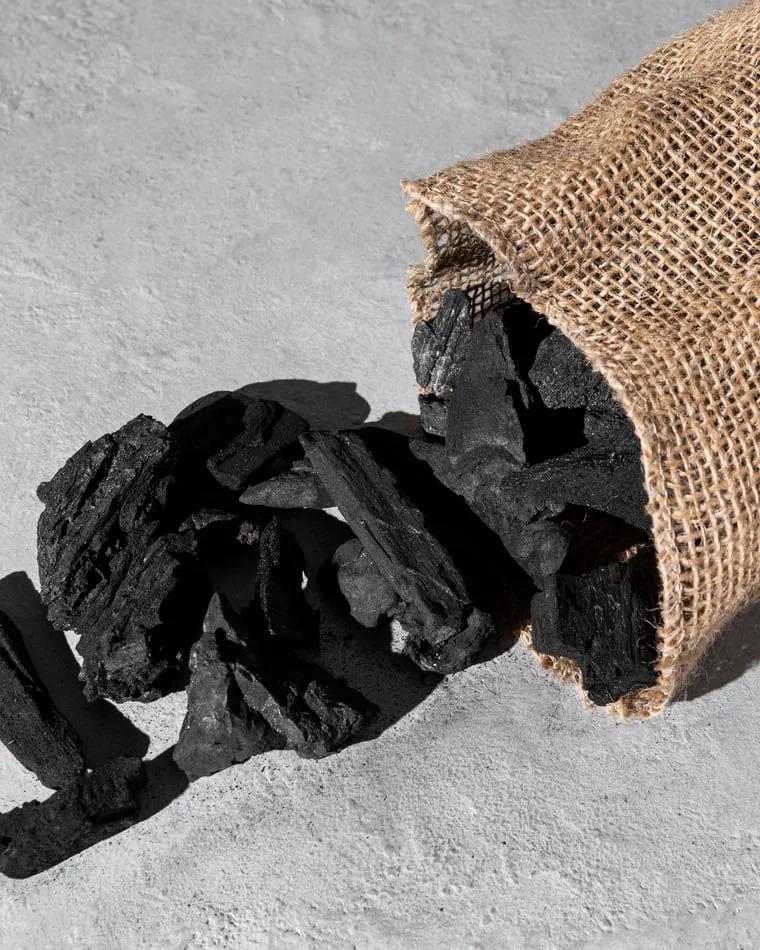
Two bags of charcoal can look identical and perform very differently. One lights easily, burns for hours and leaves little ash. The other sparks, smokes and crumbles in the bag. The difference only becomes visible in a laboratory report or in use, which is why experienced buyers write quality into the order instead of relying on photos.
This guide lists the parameters buyers commonly specify, what each one tells you, and how to check them.
Why there is no single "good" number
There is no universal standard that defines good charcoal for every use. Acceptable values depend on the product type (lump, briquette or shisha), the raw material, the end use and the standard or test method applied. A value that is normal for a barbecue briquette may be unacceptable for shisha cubes.
Treat the parameters below as a checklist. Set the target values in your own specification, based on your market, samples you have tested and any local regulation.
Laboratory parameters
These are usually reported together in what laboratories call a proximate analysis.
| Parameter | What it indicates | Usual buyer preference |
|---|---|---|
| Fixed carbon | The share of solid carbon that actually burns as charcoal | Higher |
| Ash content | Non-combustible residue left after burning | Lower |
| Moisture content | Water held in the product | Lower |
| Volatile matter | Compounds released as gas when heated; linked to smoke and flame | Lower for clean burning, though some eases lighting |
| Calorific value | Heat energy released per unit of weight | Higher |
A few points on reading these figures:
- They are linked. Poorly carbonised charcoal tends to show more volatile matter and less fixed carbon.
- Check the basis. Results can be reported "as received" or on a "dry basis". The same sample gives different numbers on each, so compare like with like.
- Check the method. Ask which test standard the laboratory used and state it in your specification.
- Moisture changes. Charcoal absorbs water from the air. A value measured at the factory can be higher on arrival after a humid sea voyage.
Physical checks
Size and fines
For lump charcoal, buyers set a size range and a maximum share of undersized pieces and dust. Fines are paid for by weight but are of little use to the end customer. For briquettes and shisha cubes, check dimensions and weight per piece for consistency.
Strength
Briquettes and cubes should survive handling. A simple drop test, in which pieces are dropped from a set height and breakage is recorded, shows whether the product is likely to arrive whole. Weak briquettes often point to too little binder or poor drying.
Density and appearance
Dense, heavy pieces generally burn longer. Look for a uniform black colour, a clean break and no uncarbonised brown wood in lump charcoal. Cracks, white mould spots or a damp feel are warning signs.
Burning performance
Laboratory numbers do not replace a burn test. Light a sample the way your customers will and record:
- Ignition time: how long until the charcoal is ready to use.
- Burn time: how long it gives useful heat.
- Sparks and popping: a safety and comfort issue, especially in restaurants.
- Smoke and smell: critical for shisha and indoor use.
- Ash: how much is left, and for shisha charcoal, its colour and whether it holds its shape or falls apart.
Run the test the same way each time so that results from different suppliers can be compared.
Safety and compliance points
- Composition. For briquettes, ask what binder and any additives are used. Quick-light products contain ignition agents, and some markets regulate these.
- Contaminants. Depending on the market and use, buyers may request tests for heavy metals or other substances. Requirements differ by country, so confirm locally.
- Self-heating. Charcoal can be classed as a self-heating substance for sea transport. Carriers may ask for a test report or a declaration before accepting the cargo. Your freight forwarder can confirm what applies.
- Legal origin. Some importing countries ask for evidence of the wood source or restrict certain species.
This article is general information, not legal or customs advice.
How to verify quality
- Write a specification. List each parameter, your target or limit, the test method and the reporting basis.
- Test a sample. Request samples and run your own burn test. For larger orders, send a sample to an independent laboratory.
- Approve a reference sample. Keep a sealed sample that represents the agreed quality. Production is then judged against it.
- Inspect before shipment. A pre-shipment inspection can check quantity, packaging, size, visible quality and moisture, and draw samples for laboratory testing.
- Request documents. Ask for a certificate of analysis for the batch, issued by the supplier or, preferably, by an independent laboratory.
- Check on arrival. Compare a sample from the delivered goods with your reference and note any difference promptly.
Common mistakes
- Ordering on price alone, with no written specification.
- Accepting a laboratory report without checking which batch it relates to and when it was issued.
- Approving a hand-picked sample that does not represent normal production.
- Ignoring packaging, so good charcoal arrives as broken pieces and dust.
- Leaving out the test method, which makes disputes hard to settle.
Next steps
If you are still choosing a product type, start with types of charcoal: lump, briquette and shisha. Our charcoal products page shows the range we can help source.
When you are ready, request a quote and include your specification or target values, packaging, quantity and destination. If you do not have a specification yet, tell us the end use and we will help you work out what to ask for.
This article is general guidance, not legal, tax or customs advice. Rules change; confirm requirements for your shipment with the relevant authorities.
Back to insights