How whole and ground spices differ for importers, which quality and food safety parameters buyers specify, and how storage and packing protect flavour.
4 min read
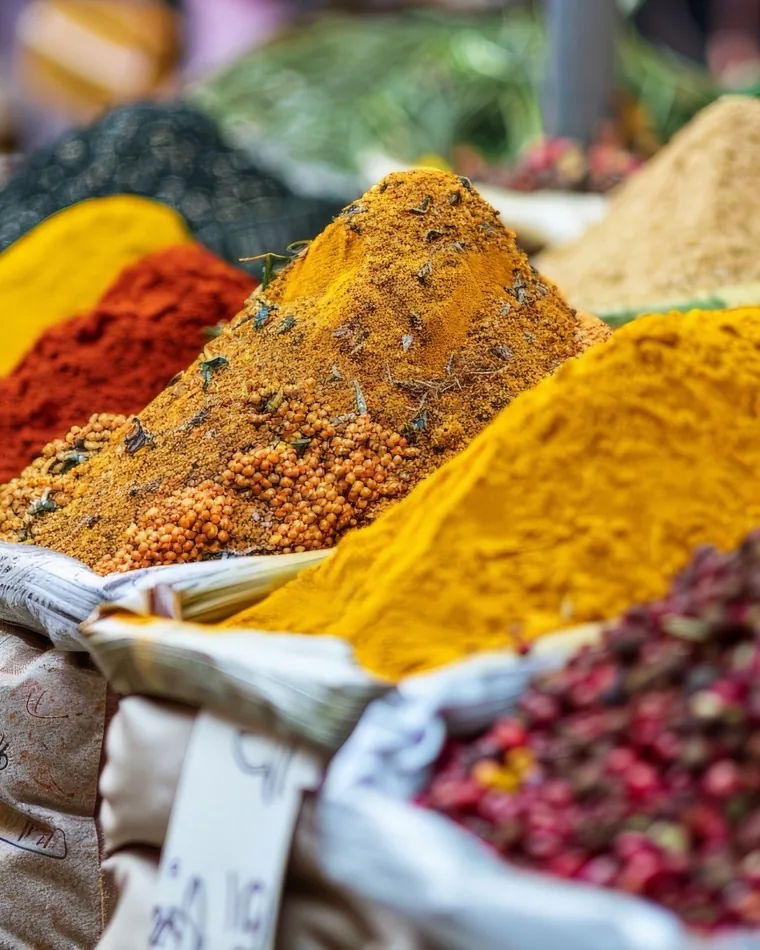
Spices are bought for flavour, aroma and colour, and all three can be lost between the farm and the kitchen. The first decision an importer makes, whole or ground, affects shelf life, price, risk and the equipment needed at destination. The second is how to define quality so that what arrives matches what was agreed.
This guide compares the two forms and sets out the parameters buyers usually specify.
Whole or ground: the trade-offs
The aroma of a spice comes largely from volatile oils held inside the seed, bark, root or fruit. Grinding breaks the cells and exposes those oils to air, light and heat, so ground spices lose aroma faster than whole ones.
| Whole spices | Ground spices | |
|---|---|---|
| Shelf life | Longer; oils are protected | Shorter; aroma fades faster |
| Checking purity | Easier to inspect by eye | Harder; adulteration is easier to hide |
| Processing at destination | Needs cleaning, grinding or packing capacity | Ready to blend or pack |
| Flexibility | Can be ground to any mesh later | Fixed particle size |
| Typical buyers | Grinders, packers, wholesalers | Food manufacturers, food service, retail packers |
Neither form is better in general. Buyers with their own grinding line often import whole to control freshness and purity. Buyers without one import ground and rely on a tighter specification and testing.
Between the two sit crushed, cracked and flaked forms, such as chilli flakes or cracked pepper.
What affects quality
Quality starts long before export:
- Variety and origin. The same spice from different regions can differ in oil content, colour and pungency.
- Harvest maturity. Picking too early or too late changes flavour and colour.
- Drying. Slow or uneven drying, or drying on bare ground, raises the risk of mould and contamination.
- Cleaning and sorting. This removes stones, stems, dust and damaged pieces.
- Storage. Heat, humidity, light and pests degrade spices at every stage.
- Age. Ask for the crop year. An old crop can look acceptable and still be weak in aroma.
Parameters buyers specify
Specifications differ by spice, market and customer, and limits are set by the buyer's own requirements and the regulations of the destination country. The list below shows what is commonly covered, not values to copy.
Physical and chemical
- Moisture content: too high encourages mould; a limit is normally set.
- Volatile oil content: an indicator of aroma strength.
- Total ash and acid-insoluble ash: indicators of dirt, sand or added mineral matter.
- Extraneous and foreign matter: stems, stones, other seeds, insects.
- Size or grade for whole spices, and mesh size for ground ones.
- Bulk density, which matters for packing lines.
Spice-specific markers
Some spices are traded on a measured active component or colour, for example:
- pungency (heat) for chilli,
- piperine for pepper,
- curcumin for turmeric,
- extractable colour for paprika.
Ask the supplier which method is used so results can be compared.
Food safety
- Microbiology, including pathogens such as Salmonella.
- Mycotoxins, such as aflatoxins, linked to poor drying and storage.
- Pesticide residues.
- Heavy metals.
- Undeclared colours or fillers, a known fraud risk in ground spices.
- Allergens, including cross-contact with other products on shared lines.
Limits for these are set by law in most importing countries and differ between them. Confirm the current rules for your destination with the competent authority, your laboratory or your customs broker. This article is general information and not regulatory advice.
Treatment and sterilisation
Spices are agricultural products and can carry a microbial load. Processors use treatments such as steam sterilisation to reduce it. Other methods, including irradiation and fumigation with certain gases, are accepted in some markets and restricted or prohibited in others, and may trigger labelling duties.
State in your specification which treatments are acceptable and which are not, based on the rules of the market where the product will be sold.
Packaging and storage
- Packaging. Whole spices commonly ship in jute or woven polypropylene bags, often with an inner liner. Ground spices need better barriers, such as multi-layer paper bags with a liner or cartons with sealed inner bags.
- Container. Use a clean, dry, odour-free container. Spices absorb smells and moisture easily.
- Moisture control. Desiccants and proper stowage reduce condensation damage on long routes.
- Storage at destination. Keep spices cool, dry, dark and off the floor, away from strong-smelling goods. Use older stock first.
Verifying before you buy
- Send a written specification with your limits and test methods.
- Request a sample from the actual lot, not a general showroom sample.
- Ask for a certificate of analysis for the lot, and check the laboratory and the date.
- Test independently for the food safety parameters that matter in your market.
- Agree a pre-shipment inspection covering quantity, packaging, marking and sampling.
- Check documents required at import, which may include a phytosanitary or health certificate depending on the product and country.
Summary
Whole spices keep longer and are easier to verify. Ground spices save a processing step but need a tighter specification and more testing. In both cases, the specification, the lot sample and independent testing do more to protect you than the price or the photos.
Browse the spices page for the range, and see what to include in a quote request before you write to suppliers.
To get started, request a quote with the spice, form (whole or ground), specification, packaging, quantity and destination.
This article is general guidance, not legal, tax or customs advice. Rules change; confirm requirements for your shipment with the relevant authorities.
Back to insights