How lump charcoal, briquettes and shisha charcoal differ in raw material, burning behaviour and typical use, and what to state when you ask for a quote.
5 min read
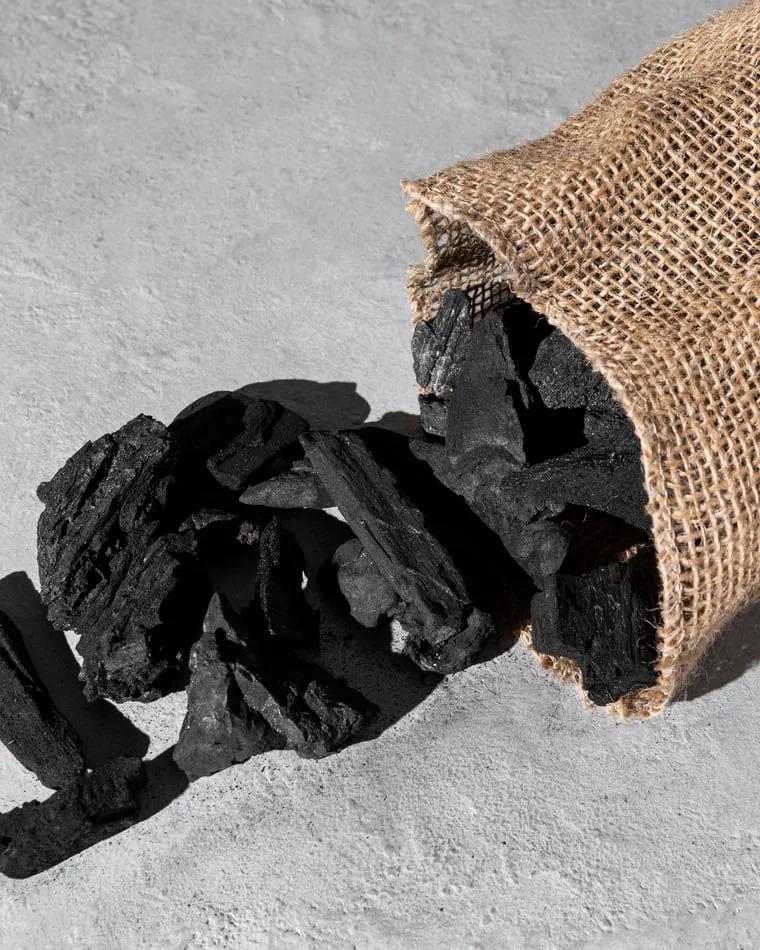
"Charcoal" on a quote request can mean very different products. A restaurant grill, a retail barbecue brand and a shisha lounge all buy charcoal, but they do not buy the same thing. If the type is not clear from the start, the quotes you receive will not be comparable.
This guide explains the three main types traded internationally, how they differ, and what to state when you ask for a price.
How charcoal is made
Charcoal is produced by heating wood or other plant material with very little oxygen, a process called carbonisation. Water and volatile compounds are driven off, leaving a light, carbon-rich fuel that burns hotter and cleaner than the raw material.
The raw material and the way the charcoal is shaped afterwards give the three main product types.
Lump charcoal
Lump charcoal is carbonised wood in its natural, irregular shape. Nothing is added after carbonisation; the pieces are simply sorted by size and packed.
Typical characteristics:
- Lights quickly and burns hot. This suits grilling and restaurant use.
- Irregular size. Pieces vary, so buyers usually specify a size range and a limit on small fragments and dust.
- Depends on the wood species. Dense hardwoods generally give heavier charcoal that burns longer than light woods. Suppliers normally name the species or species mix.
- Low ash compared with many briquettes, since there is no binder or filler.
Lump charcoal is fragile. Handling and long transport create fines (small broken pieces), so packaging and loading method matter.
Charcoal briquettes
Briquettes are made by grinding charcoal into powder, mixing it with a binder (often a food-grade starch) and pressing it into a uniform shape, then drying it. The carbon source can be wood charcoal, sawdust charcoal, coconut shell charcoal or other carbonised biomass.
Common shapes include pillow-shaped briquettes for retail barbecue, and hexagonal or square extruded sticks, often with a hole through the centre, used widely in restaurants.
Typical characteristics:
- Uniform size and predictable burn. Each piece behaves like the next, which simplifies portioning.
- Longer, steadier burn than lump charcoal of similar weight in many cases, at a somewhat lower peak heat.
- Composition varies. Binder type, any filler and the base charcoal all affect ash, smell and burn time. Ask what the briquette contains.
- Stronger in transport, with fewer fines when well made.
Shisha (hookah) charcoal
Shisha charcoal is made for heating tobacco or molasses in a water pipe. Because it sits close to what the user inhales, buyers focus on low smell, low smoke and clean ash.
Two forms dominate:
- Natural briquettes, most often from coconut shell charcoal, pressed into cubes, flats or other small shapes. They are lit on a burner or stove and are valued for a long, even burn and little odour.
- Quick-light discs or tablets, which contain an ignition agent so they can be lit with a lighter. They are convenient but can add smell or taste in the first minutes.
Shape and size are part of the specification here. Cube dimensions are chosen to fit particular bowls and heat-management devices, so state the size you need.
Side-by-side comparison
| Lump charcoal | Briquettes | Shisha charcoal | |
|---|---|---|---|
| Raw material | Carbonised wood pieces | Charcoal powder plus binder | Usually coconut shell charcoal plus binder |
| Shape | Irregular | Uniform, pressed or extruded | Small cubes, flats or discs |
| Burn | Fast to light, high heat | Steady and longer | Long, even, low odour |
| Main users | Grills, restaurants, retail | Retail barbecue, restaurants | Shisha lounges, retail |
| Key buyer concerns | Size range, fines, species | Composition, ash, burn time | Ash, smell, shape, burn time |
This is a general picture. Actual performance depends on the raw material and the producer, so judge each product on its own specification and sample.
Which type suits your market?
Start from the end user, not from the product:
- Restaurants and grills often want high heat and long burn, so hardwood lump or extruded briquettes are common choices.
- Retail barbecue needs consistent bags, clear labelling and easy lighting. Both lump and pillow briquettes sell in this channel.
- Shisha retail and lounges need a specific cube size, clean burning and attractive consumer packaging.
Local preference matters as much as technical performance. Ask your customers what they use now and why.
Packaging and shipping points
- Packaging. Bulk trade commonly uses woven polypropylene bags or paper sacks. Retail trade uses printed paper bags or boxes, often inside master cartons. Shisha charcoal usually ships in inner boxes inside cartons.
- Moisture. Charcoal absorbs moisture, which makes it harder to light. Ask how the goods are protected in the container.
- Dangerous goods rules. Charcoal can be classed as a self-heating substance for sea transport. Shipping lines may ask for specific declarations, test reports or packing conditions. Confirm the requirements with your freight forwarder and carrier before you book.
- Import rules. Some countries restrict charcoal from certain wood species or origins, or ask for proof of legal sourcing. Check with your customs broker; this article is not customs or legal advice.
What to include in a quote request
- Type: lump, briquette (and shape) or shisha (and cube size)
- Raw material or wood species preferred
- Size range and any limit on fines
- Quality parameters you require, with your own target values
- Packaging: bag or box size, branding, carton and pallet details
- Quantity, destination port and preferred Incoterm
For the parameters buyers usually specify, see what buyers check in charcoal quality. You can also browse our charcoal products page.
Ready to compare options? Request a quote with the type, size, packaging and destination, and we will come back with the next steps.
This article is general guidance, not legal, tax or customs advice. Rules change; confirm requirements for your shipment with the relevant authorities.
Back to insights