What defines a grade of silica sand, which properties matter for glass, foundry, filtration and construction, and how buyers specify and verify a supply.
5 min read
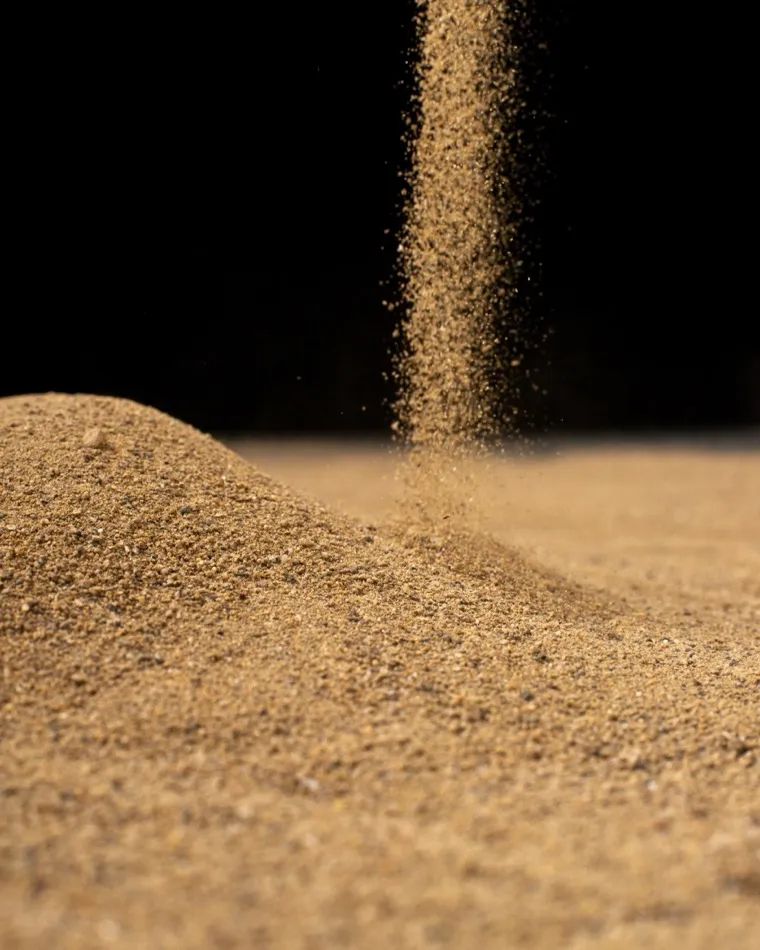
Silica sand looks like a simple commodity, but it is sold to industries with very different needs. A glass plant, a foundry and a water treatment works may all buy "silica sand" and reject each other's material. A grade is defined by chemistry, grain size and grain shape together, and each application weighs these differently.
This guide explains what makes a grade, how the main industries use silica sand, and how to specify it.
What silica sand is
Silica sand, also called quartz sand or industrial sand, is sand made up mainly of silicon dioxide (SiO2) in the form of quartz. It differs from ordinary construction sand in its higher silica content and tighter control of impurities and grain size.
It is usually mined, then processed. Processing can include washing, attrition scrubbing, screening into size fractions, drying and, for higher grades, steps to remove iron-bearing and heavy minerals.
What defines a grade
Chemistry
- Silica (SiO2) content. The main measure of purity. Requirements rise with the sensitivity of the application.
- Iron oxide (Fe2O3). Iron colours glass, so glassmakers set tight limits, especially for clear glass.
- Other oxides, such as alumina, titanium, calcium, magnesium and alkalis, and for some uses chromium. Each can affect melting behaviour, colour or strength.
- Loss on ignition and clay content, which point to organic matter and fine impurities.
Grain size
Size is described by a sieve analysis: the share of material retained on a series of sieves. Buyers specify a range, a limit on oversize grains and a limit on fines. Foundries often use a grain fineness number as a summary of the distribution.
A narrow, consistent distribution is usually worth more than a wide one, because it behaves predictably in the process.
Grain shape and physical properties
- Shape: rounded, sub-angular or angular. Rounded grains flow and pack differently from angular ones.
- Moisture: sand is sold wet or dried. Moisture affects weight, handling and price per usable tonne.
- Hardness and crush resistance, relevant for filtration and some energy-sector uses.
- Acid solubility and turbidity, for certain applications.
Main industrial uses
| Application | What the buyer mainly looks at |
|---|---|
| Glass (flat, container, speciality) | High silica, low and stable iron, controlled grain size, consistency between deliveries |
| Foundry moulds and cores | Grain size distribution, grain shape, low clay, thermal stability |
| Water filtration | Grain size and uniformity, hardness, low fines, cleanliness |
| Construction products (mortars, grouts, flooring, adhesives) | Grain size, colour, cleanliness, dryness |
| Ceramics and refractories | Chemistry, fineness (often as ground silica flour) |
| Paints, coatings and fillers | Fine particle size, whiteness, purity |
| Chemicals (such as sodium silicate) and silicon production | High purity, specific impurity limits |
| Sports and leisure (golf bunkers, pitches, play areas) | Grain shape and size, colour, drainage |
Requirements within each industry also vary by product and by plant. A producer of clear container glass and a producer of coloured glass will not accept the same iron level, for example.
Why there is no universal grade table
Suppliers use their own grade names, and national and industry standards differ. A label such as "glass grade" or "foundry grade" is a starting point, not a specification.
Purity levels, iron limits and size ranges should be taken from your own process requirements, the standard you work to, or your customer's specification, and then confirmed by a laboratory test on the actual material. Do not rely on a grade name or a typical data sheet alone. This article is general information, not engineering advice.
How to specify silica sand
Include the following in an enquiry:
- Application, so the supplier can propose a suitable grade.
- Chemical limits for silica and for each impurity that matters to you.
- Sieve analysis required, with limits on oversize and fines.
- Moisture: dried or washed and damp, with a maximum value.
- Grain shape, if relevant.
- Test methods or standard to be used.
- Packaging and quantity per shipment and per year.
- Destination and Incoterm.
Packaging and logistics
Silica sand is heavy and low in value per tonne, so freight is a large part of the delivered cost. Logistics deserve as much attention as the product.
- Bulk in vessels or trucks suits large, regular volumes with handling equipment at destination.
- Jumbo bags (flexible intermediate bulk containers) are common for container shipments.
- Small bags on pallets suit distribution and retail.
Check container weight limits and road weight limits at origin and destination. Protect dried sand from rain and humidity, and agree how contamination is prevented when bulk equipment has carried other cargo.
Health and safety
Fine dust from crystalline silica is a recognised health hazard when inhaled over time. Many countries set workplace exposure limits and labelling requirements. Ask the supplier for a safety data sheet, and follow the occupational health rules that apply at your site.
Verifying a supply
- Request a technical data sheet and a recent certificate of analysis.
- Test a representative sample in your own or an independent laboratory.
- Run a plant trial where the application is sensitive.
- Agree sampling and testing at loading, ideally by an independent inspector, and what happens if a lot is out of specification.
- Ask how consistency is controlled from one shipment to the next, since deposits vary.
Next steps
See the silica sand page for an overview, and our guide on writing a product specification sheet if you need to formalise your requirements.
To source a grade for your application, request a quote with the use, your chemical and size limits, packaging, quantity and destination.
This article is general guidance, not legal, tax or customs advice. Rules change; confirm requirements for your shipment with the relevant authorities.
Back to insights